


Why LivU Users Are Looking Elsewhere
LivU was a random video chat platform that attracted users wanting fast, unfiltered one-on-one connections with strangers worldwide. As of 2025, the domain associated with the service is listed for sale, which is a concrete signal that the platform is no longer operational in any reliable sense. UK users who relied on it for spontaneous video matchmaking need an evidence-based replacement rather than a vague list of app names.
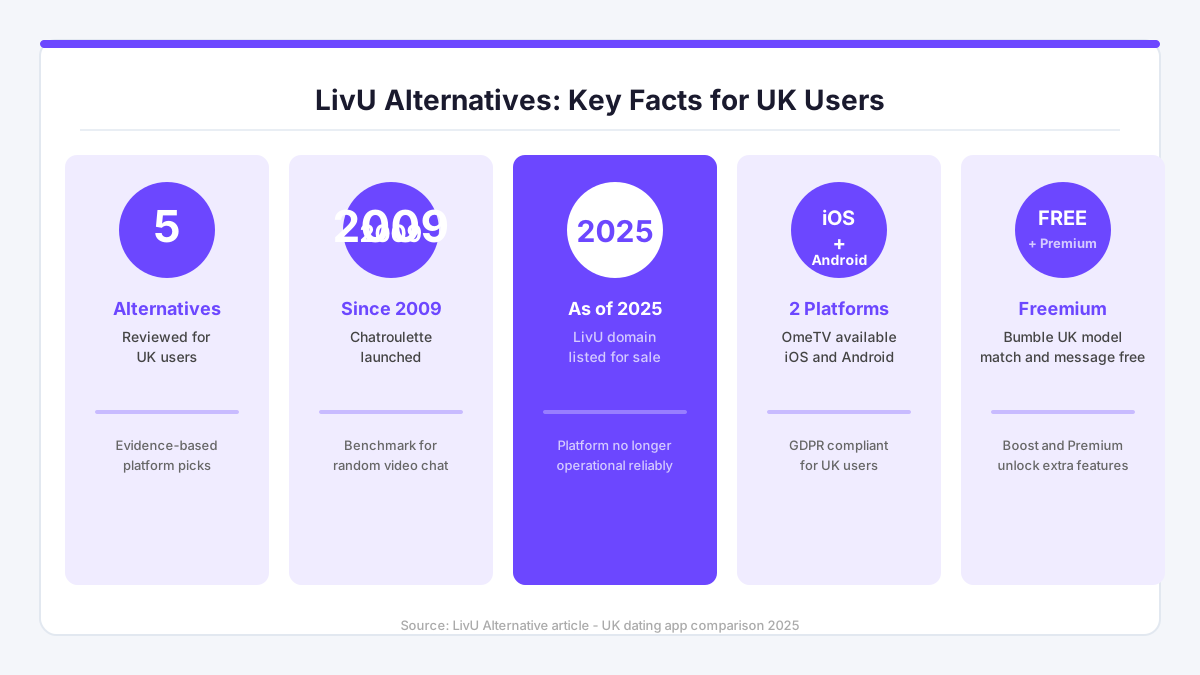
This comparison focuses on five alternatives that hold up under scrutiny: platforms with documented safety policies, identifiable moderation teams, and pricing structures that are transparent before you hand over payment details. The analysis covers random video chat apps and structured dating platforms, because different users want different things from a LivU-style experience.
What to Look For in a LivU Alternative
Before diving into specific apps, it helps to define the criteria that actually matter. Safety verification is the first filter. A platform that relies solely on email confirmation to create an account leaves a significant gap for fake profiles and bots. Photo or video verification narrows that gap considerably. Transparency around data collection is the second filter. Many free-to-use platforms monetize through advertising or third-party data sales, which affects privacy in ways the headline features never mention.

Matching algorithm quality is the third factor. Random chat apps use geolocation and basic preference filters. More structured platforms apply collaborative filtering and machine learning to behavioral signals like message frequency and profile completeness. Neither approach is universally better, but understanding which one a platform uses helps you predict whether it will serve your needs. Finally, cost matters. Premium tiers range widely, and the feature differences between tiers are not always proportional to the price increase.
Chatroulette: The Benchmark for Random Video Chat
Chatroulette launched in 2009 and remains the reference point for random webcam matching. It connects users anonymously via live video without requiring account registration, which lowers the barrier to entry but also reduces accountability. The platform introduced AI-based nudity detection following widespread criticism of inappropriate content in its early years. That moderation layer represents a meaningful safety upgrade compared to truly unmoderated alternatives.
For UK users, the core service is free. Optional paid features exist but the platform's value proposition is fundamentally about spontaneous, anonymous connection rather than curated matching. It does not collect the depth of personal data that structured dating apps do, which is a privacy advantage, though it also means the algorithm cannot learn your preferences over time. Users who want speed and simplicity over compatibility scoring will find it a close functional match for what LivU offered.
OmeTV: Moderated Random Chat with a Mobile Focus
OmeTV operates on a similar random video chat model but places greater emphasis on community moderation and mobile usability. The platform has a dedicated reporting system and human moderation alongside automated detection, which addresses one of the most common complaints about anonymous video chat: the prevalence of inappropriate content. Registration is optional but encouraged, and verified accounts receive visibility advantages within the matching queue.
The app is available on both iOS and Android, which directly addresses the search demand around LivU alternatives for iPhone and Android. Free access covers the core random matching function. A premium tier removes advertising and provides priority queue placement. For UK users concerned about data handling, OmeTV operates under GDPR obligations, which means users have documented rights around data access and deletion. That regulatory compliance is worth verifying independently before signing up, but the framework is at least in place.
If you want to explore a platform in this space with a similar approach to real-time video connection, OmeTV is worth examining directly to review their current terms and safety documentation.
Bumble: Structured Matching with Built-In Safety Tools
Bumble sits at the opposite end of the spectrum from random video chat. It uses a structured matching algorithm that incorporates profile data, behavioral signals, and location. The platform's defining feature is that women must send the first message in heterosexual matches, which was designed to reduce unsolicited contact. Built-in safety features include photo verification via selfie comparison, a block and report system, and an in-app safety centre.
Bumble's pricing in the UK follows a freemium model. The free tier allows matching and messaging. Bumble Boost and Bumble Premium unlock features like seeing who has already liked your profile, advanced filters, and unlimited swipes. Paid tiers represent a meaningful step up in functionality rather than a cosmetic upgrade, which is not always the case across the wider market.
Earlier this year, I ran a structured comparison of premium subscription pricing across four major UK dating platforms. Prices ranged from around 9.99 GBP to 34.99 GBP per month depending on commitment length, and the feature differences between tiers were genuinely variable. Some platforms charged near the top of that range for features that had limited practical effect on match quality. Bumble's premium tier performed reasonably well in that comparison because the core unlock - seeing likes before matching - directly affects how users engage with the algorithm rather than simply adding cosmetic badges. LivU appeared in my notes as a platform to include in future structured pricing reviews, though its current status makes that moot for now.
Hinge: Algorithm-Driven Matching for Long-Term Intent
Hinge markets itself explicitly toward users who want relationships rather than casual connections. Its algorithm uses a compatibility score derived from behavioral data: which profiles you like, which you skip, how you respond to specific prompts, and how your matches behave in return. The platform encourages detailed profiles with written answers to structured questions, which feeds richer data into the matching engine than photo-only swipe interfaces.
Free access on Hinge allows a limited number of daily likes. Hinge+ and HingeX unlock unlimited likes and additional filtering. HingeX, the top tier, includes a more detailed algorithmic compatibility breakdown. The platform operates under GDPR for UK users and publishes a data transparency report, which is a meaningful indicator of accountability. Users who found LivU appealing for quick connections may find Hinge slower by design, but the evidence-based matching approach produces a different quality of interaction for those willing to invest in the profile setup process.
Badoo: A Middle Ground with Video Features
Badoo occupies useful middle ground between random video chat and structured matching. Founded in 2006, it has over 500 million registered users globally, making it one of the largest dating platforms by user volume. UK users have access to both text and video chat features within the app, which partially replicates the real-time connection element that LivU provided.
The platform uses a combination of proximity-based matching and interest-based filtering. Safety features include photo verification and a manual review team. Badoo's data practices fall under GDPR, and the platform has published documentation on how user data is stored and shared. The free tier is functional; premium credits called Badoo Premium unlock profile boosts and the ability to see who liked you. For users who specifically valued the video element of LivU but also want the option of a more structured profile-based approach, Badoo bridges both use cases more directly than purely random or purely algorithm-driven alternatives.
Comparing Your Options: Key Decision Factors
Choosing between these alternatives depends on three practical questions. First, do you want anonymity or accountability? Random chat platforms like Chatroulette and OmeTV require little to no registration and connect you with strangers without a profile audit trail. Structured platforms like Hinge and Bumble require detailed profiles and behavioral data, which creates more accountability but less spontaneity.
Second, how important is video chat as a core feature versus a supplementary one? LivU's primary draw was live video as the default interaction mode. OmeTV and Chatroulette replicate that directly. Badoo includes video as one feature among several. Bumble and Hinge offer video calling, but it functions as an add-on rather than the central matching mechanism.
Third, what is your privacy tolerance? Every platform in this list collects some user data. The key distinction is whether that data is used internally for matching, shared with advertising partners, or sold to third parties. Reading the privacy policy before registering is not optional if privacy is a concern. Platforms operating under GDPR - which includes all five options listed here for UK users - must provide clear documentation of data practices and honor subject access requests. That regulatory floor is meaningful, but individual platforms operate differently within it.
Comments
No comments yet.
Leave a comment
Your email will not be shown. Comments are reviewed before they appear.