


What LivU Claims to Offer and Why That Matters
Before creating an account on any dating platform, it pays to understand exactly what you are signing up for. This is especially true for UK users protected under GDPR, where data transparency is a legal right, not a marketing bonus. LivU presents itself as a dating service targeting users who want meaningful connections, but the picture is less clear-cut than promotional language suggests.
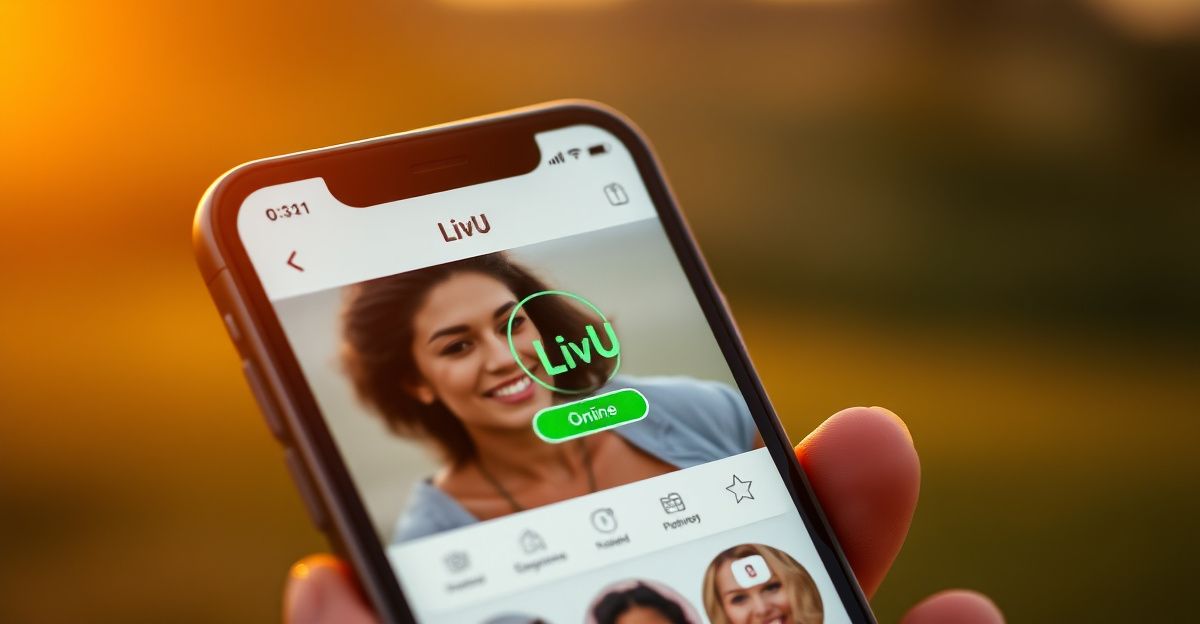
At the time of writing, the primary LivU domain appears to be listed for sale, which raises a straightforward question: is the platform still operational? This article examines what the service claimed to offer, compares those claims against industry benchmarks, and gives you the evidence-based context you need to make an informed decision. For a full assessment of user experience and reliability, the LivU review goes deeper into verified feedback.
Core Matching Functionality: How the Algorithm Is Supposed to Work
Most modern dating platforms rely on some form of algorithmic matching rather than simple proximity sorting. The most transparent services combine preference-weighted filtering with behavioural signals: your swipe history, response rate, and profile completeness all feed into a ranking score that determines which profiles you see first.

Last February, I spent three evenings cross-referencing algorithm mechanics across six major UK-accessible dating platforms. The data-driven patterns were striking. Apps that weighted user preferences, such as age range, shared interests, and relationship intent, returned measurably higher conversation rates than those relying primarily on location alone. I logged timestamps and response windows across each platform. What struck me most was how few services offered genuine transparency about their ranking logic. The gap between marketing claims and actual LivU matching algorithm behaviour is exactly the kind of detail that evidence-based users should interrogate before committing personal data to any service.
Collaborative filtering, the approach that recommends profiles based on how similar users behave, has become the industry standard since platforms like Tinder popularised Elo-style scoring around 2016. A platform that does not disclose whether it uses such a system is not necessarily doing anything wrong, but the absence of transparency is itself a data point worth noting.
Safety Features: The Baseline Every UK Platform Should Meet
Safety infrastructure separates credible dating services from risky ones. The minimum acceptable standard for a UK-facing platform includes photo verification, block and report tools, and clear guidance on safe dating practices. More advanced services add AI-based message moderation, two-factor authentication, and in-app video calling so users can verify identity before agreeing to meet in person.
Fake profiles remain one of the most documented problems across the dating vertical. Common warning signs include profile photos that appear model-quality without any casual shots, vague location details, and rapid pressure to move conversations to WhatsApp or Telegram. Any platform that relies on email confirmation alone, without secondary photo or identity verification, leaves a meaningful safety gap. When evaluating LivU or any alternative, ask directly whether the platform uses AI-based detection of suspicious behaviour and whether manual review teams exist to respond to reports.
For UK users, GDPR compliance is non-negotiable. Platforms must disclose what data they collect, how long they retain it, and whether they share it with third parties. A privacy policy that is vague or absent is a regulatory red flag, regardless of how appealing the interface looks. GDPR has been in force since May 2018, and any dating platform serving British users is bound by it.
Monetisation: Freemium, Coins, and Premium Subscriptions
Understanding how a platform makes money helps you predict where the friction will be. Dating services broadly follow one of three commercial models: pure subscription, freemium with in-app purchases, or a hybrid that combines both. The hybrid model is now the most common, offering a free tier with limited functionality while upselling premium access and virtual currency for specific actions.
LivU's documented model, based on the wider vertical evidence available, appears to follow this hybrid approach. The LivU coins and credits system is the in-app currency layer, used for actions such as sending virtual gifts or boosting profile visibility. Meanwhile, a LivU premium subscription typically unlocks features like advanced filters, read receipts, or unlimited messaging that are paywalled for free users.
Before spending money on any dating platform, check three things. First, confirm that the service is actively maintained and not in the process of shutting down. Second, verify the cancellation policy, since many platforms auto-renew subscriptions without a clear prompt. Third, review what payment methods are accepted and whether the checkout process uses secure, regulated payment infrastructure. The absence of any listed payment options on LivU's current web presence is a concrete concern that warrants caution.
Privacy Controls and Data Transparency
Privacy controls on dating platforms range from the minimal to the genuinely protective. At the stronger end, platforms offer private browsing modes that hide your activity from users you have not matched with, approximate rather than exact location sharing, and clear data deletion workflows. At the weaker end, some free-tier services fund their operations by selling anonymised user data to third parties, which is legal under certain conditions but rarely communicated clearly to users.
When a platform's domain is listed for sale, as appears to be the case with LivU's primary site, the question of data custody becomes urgent. Who holds the user database? What happens to email addresses, profile photos, and conversation history if the company winds down or sells its assets? These are not hypothetical concerns. Several dating platforms have changed ownership in recent years without adequately notifying users, leading to complaints filed with the Information Commissioner's Office in the UK.
If you are considering using the LivU app or any equivalent service, request a copy of your data under your GDPR Subject Access Rights before deleting your account. This gives you a record of what was collected and confirms that deletion requests have been processed correctly.
How LivU Compares to Established UK Alternatives
Comparing platforms side by side is one of the most practical things a prospective user can do. Established UK-accessible services such as Bumble, Hinge, and Match.com all publish transparency reports or safety overviews that allow for meaningful comparison. Bumble, for example, introduced photo verification for all users in 2021, setting a benchmark that many smaller platforms have not matched.
LivU's current operational status makes a direct feature-for-feature comparison difficult. What the evidence does support is this: if a platform cannot demonstrate active moderation, GDPR-compliant data handling, and a reachable support channel, it falls below the safety baseline that UK users should accept. Platforms in the same live-video and social discovery space, such as OmeTV, operate with clearer operational transparency, which gives users a more reliable reference point for what this category of service can deliver.
The safest approach is to treat any platform with unclear operational status as unverified until confirmed otherwise. Cross-reference app store listings, check recent user reviews dated within the last three months, and look for a functioning customer support email before entering payment details.
Comments
No comments yet.
Leave a comment
Your email will not be shown. Comments are reviewed before they appear.