

How LivU Structures Its Access Tiers
Most people arrive at LivU expecting a straightforward free-or-paid split. The reality is more layered. The platform follows a freemium model, which is standard across the video chat and dating app sector. Free users can connect with strangers via live video, but the experience is intentionally limited. Premium access removes those limits and adds tools that change how useful the app actually is.
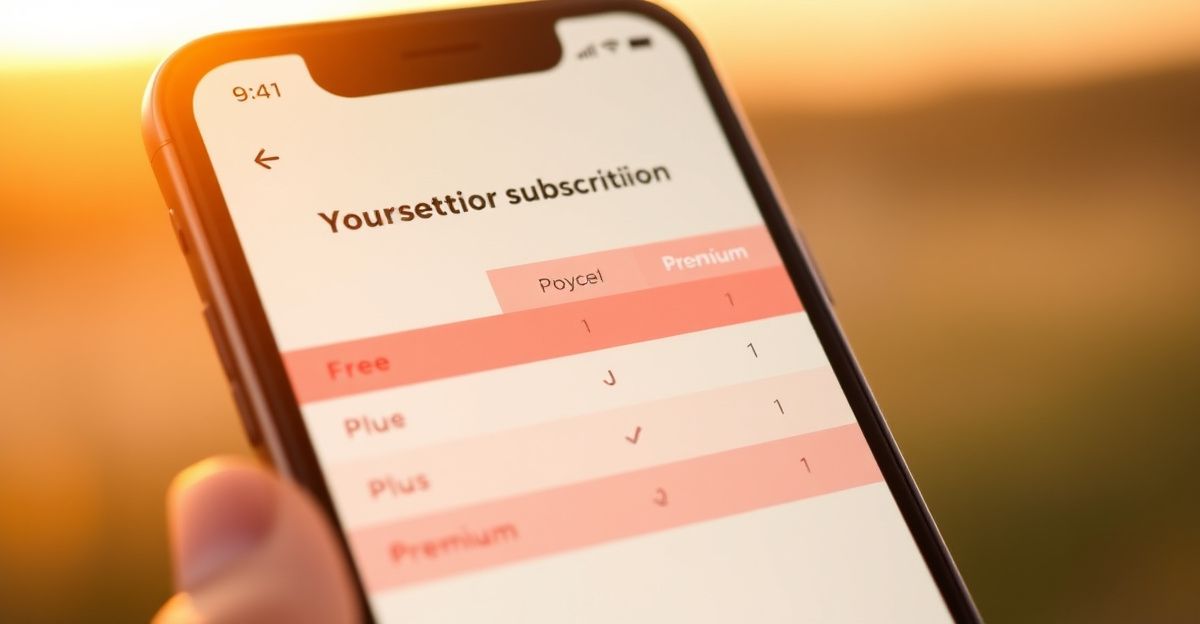
The core free tier gives you random video matching. You cannot filter by gender or location without upgrading. For many users, those two filters alone are the primary reason to consider a paid plan. The platform also layers in virtual gifting and visual effects as premium perks, which mirrors what competitors in the live video space do to drive revenue beyond subscriptions.
For a closer look at how the full feature set compares across access levels, the LivU features overview provides a structured breakdown before you commit to any plan.
What the LivU Premium Subscription Actually Unlocks
Upgrading to a premium subscription on LivU typically provides access to a bundle of features that are unavailable or restricted on the free tier. Based on available information about the platform, these include gender filtering, location-based matching, live language translation, exclusive video filters, and priority matching queues.
Gender and location filters are the most practically significant. Without them, every match is random, which reduces the relevance of connections considerably. Language translation is a differentiator that fewer competitors offer at the same tier, and it matters if you are based in a multilingual city like London where international connections are common.
Virtual gifting sits alongside the subscription as a separate spend category. This is worth understanding clearly: a premium subscription does not give you unlimited gifts. Gifts are typically purchased with an in-app currency, separate from the subscription fee. If you want a clearer picture of how that currency system works, the LivU coins and credits guide explains the structure in detail.
Pricing: What Is Known and What Is Not Transparent
Specific subscription prices for LivU are not publicly listed on the website at the time of writing. This is a transparency gap worth flagging. Many live video and dating apps deliberately obscure pricing until you reach the in-app purchase screen, where costs are presented differently depending on your device (iOS tends to show higher prices than Android in comparative studies), your region, and any active promotions.
What the industry data tells us is that freemium dating and social apps typically price monthly subscriptions anywhere from around 5 to 30 per month, with discounts for quarterly or annual commitments. Tinder Gold, for reference, launched at roughly 14.99 per month in the UK for new users in 2022, and prices have shifted since. LivU likely sits within a similar range for its core premium tier, though without confirmed figures from the platform, any specific number would be speculative.
The safest approach is to check the current price directly within the app before subscribing. Also check whether there is a free trial period available, as some platforms offer 24 to 72 hours of premium access to new users. Details on any active offers may appear on the LivU bonus and promotions page if the platform runs seasonal deals.
Privacy, Data Practices, and the UK Regulatory Context
Pricing is only one side of the value calculation. The other side is what the platform does with your personal information once you have signed up and, particularly, once you have handed over payment details.
In March 2024, I attended a consumer privacy workshop in central London focused specifically on dating app data practices. Around 40 attendees compared notes on how apps store, share, or monetize personal data. The consensus was clear: free tiers on many platforms are subsidized by data sharing with third-party advertising networks, and premium tiers do not always change that equation. After the session, I built a comparison of privacy policies across several apps, cross-referencing them against recent ICO guidance. The differences were meaningful. Some apps restricted third-party sharing for paid users; others applied the same data practices regardless of subscription status.
For LivU, the relevant framework is UK GDPR, which has applied since the UK retained and adapted the regulation post-Brexit. Any app operating in the UK must provide a lawful basis for processing personal data, offer clear opt-out mechanisms, and disclose third-party sharing. If LivU's privacy policy does not address these points transparently, that is a signal worth taking seriously before you upgrade. Always read the privacy policy before entering payment information, not after.
Fake Profile Risk and Safety When Using a Premium Plan
A premium subscription does not eliminate the risk of encountering fake or misleading profiles. This is a structural issue across the live video and dating app sector. Bots and fake accounts are most common on platforms where verification is light, and where the business model rewards high engagement rather than verified identity.
Common indicators of a fake profile include an unusually polished appearance, vague responses, rapid pressure to move the conversation off-platform to WhatsApp or Telegram, and any request involving money or financial information. These patterns appear regardless of whether you are on a free or premium tier. The algorithm may surface more relevant matches on a paid plan, but it does not screen for authenticity in the same way that photo verification tools do.
Platforms that take safety seriously implement photo verification, AI moderation of messages, and clear in-app reporting tools. When evaluating whether a premium subscription represents genuine value, it is worth checking whether LivU provides any of these features and at which access level they operate. A broader assessment of the platform's approach to user protection is covered in the LivU review.
Is a LivU Premium Subscription Worth It?
The evidence-based answer depends on what you are optimizing for. If random video matching satisfies your use case, the free tier is functional. If you want gender and location filtering, language translation, or a more curated matching experience, the premium tier addresses those needs directly.
The transparency gap on pricing is a legitimate concern. Platforms that do not publish clear pricing before you reach the payment screen make it harder to compare value against alternatives. If you are considering a live video chat platform with verified pricing and published safety features, it is worth comparing LivU against other options in the space. OmeTV is one alternative in the same category that may suit users who prioritize a different feature balance.
The strongest argument for upgrading is the filter functionality. For users in the UK who want to connect with people in a specific region or who prefer same-language connections, those filters transform the experience from a random encounter tool into something closer to a structured matching service. Whether the current pricing reflects that value fairly is something only the in-app purchase screen can confirm at the time you sign up.
Comments
No comments yet.
Leave a comment
Your email will not be shown. Comments are reviewed before they appear.