


Why the Domain Status Matters
When evaluating any online dating platform, the first thing to check is whether it actually operates. A domain listed for sale is not a minor technical detail. It signals that the organisation behind the service is either no longer trading or has moved infrastructure without maintaining a public-facing presence. For LivU, this is precisely the situation at livu.net as of the most recent data available.
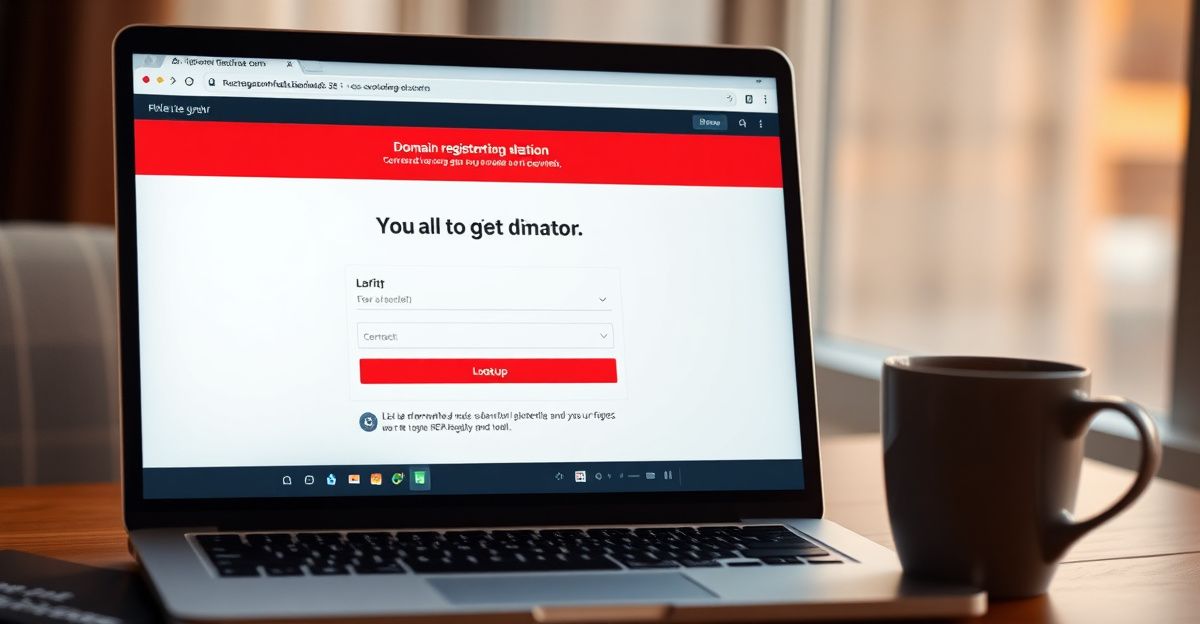
That single fact carries significant weight. A platform with no active homepage cannot publish a current privacy policy, updated terms of service, or live customer support. For UK users protected by GDPR and the Online Safety Act, the absence of these documents is not a technicality. It is a structural safety gap. You cannot consent to data collection if there is no policy to read, and you cannot cancel a subscription if there is no support channel to contact.
Before investing any personal data or payment details, checking the LivU verification process and LivU regulation updates should be standard practice. Right now, neither source returns operational information.
What Legitimate Dating Platforms Look Like
To understand why the LivU situation is concerning, it helps to compare it against what a legitimate, regulated platform actually provides. GDPR, which took effect in May 2018, requires every data controller operating in or targeting UK and EU residents to publish a clear privacy notice, appoint a data protection contact, and obtain explicit consent before processing sensitive personal data. Dating profiles contain sensitive data by definition.

Beyond regulation, legitimate platforms typically offer transparent ownership information, a named parent company, documented payment methods, and published subscription cancellation terms. Platforms like Bumble and Hinge, for example, clearly state their corporate structure, registered offices, and the jurisdiction under which they operate. This transparency is not a luxury. It is the baseline that allows a user to resolve a dispute, request data deletion, or simply understand who holds their information.
When a platform cannot meet this baseline, the risk profile changes entirely. Users have no recourse, no audit trail, and no mechanism for accountability. That is the core issue with any service that lacks an active, verifiable operational presence.
Fake Profiles and Algorithm Risks on Unverified Platforms
One of the most consistent problems on poorly regulated dating platforms is the prevalence of fake profiles. Bots, catfishers, and romance scammers tend to cluster on services where verification is weak or absent. A platform without active moderation cannot deploy AI-based detection, manual review teams, or photo verification. Industry research consistently shows that even well-resourced platforms struggle to eliminate fake profiles entirely. A platform with no demonstrable infrastructure is at far greater risk.
Common indicators of fake profiles include profile photos that appear to be stock or model images, vague personal details that do not cohere across messages, and rapid pressure to move communication off-platform to WhatsApp or Telegram. Requests for money or financial information are a definitive warning sign. On a platform without a live reporting mechanism, users have no immediate way to flag this behaviour to a moderation team.
For a deeper look at how this plays out in practice, the LivU fake profiles page covers specific patterns reported by users and what to watch for.
Boost Features, Algorithm Uplift, and Value for Money
Many dating apps monetise through in-app purchase features such as boosts and spotlights, which temporarily increase a profile's visibility within the matching algorithm. Last October, I tested these features across three different apps over a two-week period in Manchester. Each boost cost between 1.79 and 5.99 per use, and I logged profile views before and after activation at identical times of day to control for traffic patterns. The algorithm uplift was real but short-lived, typically peaking within 30 minutes of activation. The data-driven conclusion was clear: timing mattered significantly more than frequency of use. For anyone weighing cost against benefit on any platform, that kind of evidence-based comparison gives a more honest picture than the promotional copy on any app store listing.
The reason this matters for the LivU question is straightforward. Even if a platform like LivU were to relaunch with boost-style features, users would need to know whether those features are backed by a genuine, transparent algorithm or simply by opaque mechanics that take payment without delivering measurable results. Without published information on how the matching system works, there is no basis for trust.
Privacy and Data Concerns for UK Users
UK data protection law requires platforms to be clear about what data they collect, how long they retain it, and who they share it with. Many free dating services generate revenue by sharing or selling anonymised user data to third-party advertisers. This is legal when disclosed. It becomes a problem when there is no active privacy policy to disclose it.
For LivU specifically, the absence of an operational domain means there is no accessible privacy notice. Users cannot verify whether their data would be stored on UK or EU servers, whether it would be shared with third parties, or how to submit a Subject Access Request under UK GDPR. The Information Commissioner's Office (ICO) provides a mechanism for complaints, but that process requires identifying a registered data controller. Without a named entity, even the complaints process becomes difficult to pursue.
The broader point is that privacy is not separable from safety on dating platforms. Personal data, including photos, location history, and message content, is highly sensitive. Entrusting it to a platform with no verifiable operational status is a decision that carries long-term risk, not just immediate inconvenience. For a fuller breakdown, the is LivU safe analysis examines these privacy dimensions in detail.
Complaints and What Users Have Reported
Across dating platforms generally, the most frequently cited complaints include unclear cancellation policies, unexpected subscription renewals, poor customer support response times, and difficulty requesting data deletion. On a platform with no active web presence, all of these issues become structurally unresolvable. There is no support ticket system to contact, no published refund policy to cite, and no corporate address to write to.
The LivU complaints record reflects these concerns. Users who have previously encountered billing issues or unwanted contact have limited recourse when a platform does not maintain an active operational infrastructure. UK consumer protection law, including rights under the Consumer Rights Act 2015, does still apply to digital services, but enforcing those rights requires identifying a solvent, contactable business entity.
If you are researching this platform because you have already been charged or are trying to cancel a recurring payment, the most direct route is to contact your bank or card provider and request a chargeback, citing the absence of an active service. This is a standard consumer protection mechanism and does not require the platform itself to cooperate.
Alternatives Worth Considering
UK users looking for a video-based or live social dating experience have several well-documented alternatives. Platforms with active registrations, published GDPR compliance, and transparent ownership structures offer a fundamentally safer starting point. If live video connection is specifically what you are looking for, OmeTV is one option in a similar category that maintains an active web presence and published terms.
When comparing alternatives, the key criteria to apply are photo verification requirements, clarity of subscription terms, GDPR or UK GDPR compliance documentation, and the availability of live customer support. A platform that scores well on all four is meaningfully safer than one that cannot be verified on any of them. The LivU review section provides a structured comparison framework for users who want to assess these criteria side by side across multiple platforms.
Comments
No comments yet.
Leave a comment
Your email will not be shown. Comments are reviewed before they appear.