


What LivU Claims to Offer and Why Verification Matters
Before putting time or money into any dating or live-video platform, the first question should be: is the platform actually operational? In LivU's case, this is not a trivial point. As of June 2026, the platform's primary domain appears to be listed for sale, which is a significant red flag for anyone researching LivU payouts or planning to sign up as a creator in the UK.

That does not mean every mention of the brand is unreliable. A platform can operate under country-specific or regional domains while its main site sits dormant. However, the absence of a live, publicly accessible homepage makes it almost impossible to verify payout rates, withdrawal thresholds, or payment methods through first-hand evidence. This article takes a rigorous, evidence-based approach to what is knowable and what remains unconfirmed.
How Creator Payouts Typically Work on Dating and Live-Video Platforms
To evaluate LivU payouts fairly, it helps to understand how creator monetisation works across the broader live-video and dating vertical. Most platforms that pay creators use a virtual currency model. Users purchase coins, credits, or tokens with real money, then send them to creators during live streams or private video sessions. The platform converts those virtual currencies back into cash at a fixed or variable rate, keeping a percentage as commission.
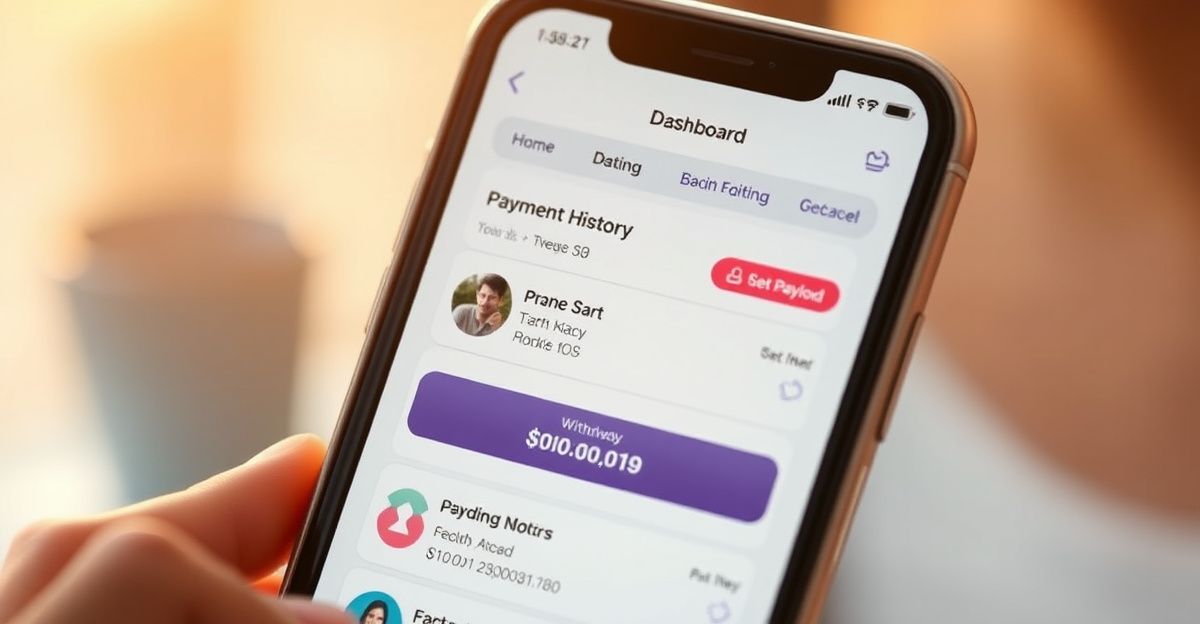
Commission rates across the industry vary considerably. Some platforms retain as little as 20 percent of a creator's earnings; others take 50 percent or more. Payout thresholds, meaning the minimum balance a creator must accumulate before withdrawing, typically range from around 20 to 100 GBP. Payment methods commonly offered include bank transfer, PayPal, and third-party processors such as Payoneer or Wise. Withdrawal processing times range from 24 hours on some platforms to 30 days on others.
If you want to dig into the specifics of how LivU structures its virtual currency system, the LivU coins and credits guide is the right starting point before committing to any transaction.
The Transparency Problem: Why LivU Payout Data Is Hard to Find
Transparency is one of the most important criteria when assessing whether a platform is worth joining as a creator. Reputable platforms publish their payout structure clearly, including the commission split, minimum withdrawal amount, supported payment methods, and expected processing times. The absence of this information is not a minor gap; it is a structural problem that affects trust.
At the time of writing, no publicly accessible, verified documentation of LivU's payout rates or withdrawal process is available. Third-party review sites contain user-submitted claims, but these cannot be independently confirmed. For a data-driven assessment, unverified anecdotes are not sufficient evidence. UK creators considering the platform should look for an official terms-of-service page, a dedicated creator earnings FAQ, and a GDPR-compliant privacy policy before proceeding. The LivU withdrawal page should be your first port of call for any official guidance on cashing out.
A Comparison With What Leading UK Platforms Offer
Earlier this year, I spent a weekend doing a structured comparison of premium subscription and creator payout models across four leading UK dating and live-video platforms. Prices for premium subscriptions ranged from around 9.99 to 34.99 per month depending on commitment length, and the feature differences between tiers were not always proportional to the cost. What struck me most was how few platforms clearly explained which paid features genuinely affected match quality or creator visibility, versus those that were largely cosmetic. A data-driven breakdown of what each tier actually unlocks is far more useful than a headline price alone. I had noted LivU as a platform worth including in future comparisons, but the lack of accessible operational information made a fair comparison impossible at that stage.
By contrast, platforms like Bumble and Badoo publish their subscription costs and virtual gift economics openly. Bumble, for example, introduced its creator-adjacent features in stages from 2020 onward, giving users and regulators time to assess the model. That kind of phased, documented rollout supports the kind of algorithm and safety transparency that regulators increasingly expect under UK and EU frameworks.
UK Regulatory Context and What It Means for Payouts
The UK's Online Safety Act, which gained Royal Assent in October 2023, places new obligations on platforms operating in Britain. Dating and live-video services that allow user-generated content must implement measures to protect users from harm, verify ages, and maintain clear reporting mechanisms. Platforms that pay creators fall under additional scrutiny, because the financial incentive structure can create pressure on creators to produce content that pushes against safety guidelines.
From a payout perspective, this regulatory environment has a practical implication: any platform paying UK-based creators should be registered or at minimum compliant with HMRC reporting requirements. Creator income from live-video platforms is taxable in the UK. If a platform does not issue earnings statements or tax documentation, creators are still responsible for self-reporting that income. Before relying on any platform for meaningful income, check whether it provides a formal earnings record. The LivU payment methods page should clarify what financial documentation the platform provides to UK earners.
Fake Profiles, Safety, and Why They Affect Creator Revenue
One underappreciated factor in creator earnings is platform integrity. When fake profiles or bots inflate user counts, creators may find their genuine audience is smaller than metrics suggest. Romance scams and automated accounts that simulate engagement without actual spending also distort a creator's apparent reach. In a healthy platform ecosystem, real users spend real money on virtual gifts; in a bot-heavy environment, creators see engagement numbers that do not translate into actual payouts.
Industry research consistently shows that platforms with robust photo verification and AI-based moderation sustain higher creator revenue per user over time. When users trust the safety of a platform, they spend more freely. This is why safety features are not just a user-protection issue; they are directly tied to the financial model that underpins creator payouts. If you are exploring alternatives with a stronger verified safety record, the full LivU review offers a broader assessment of where the platform stands on these measures.
What to Do If You Are Owed a Payout from LivU
If you have an existing balance on LivU and are struggling to access it, the steps below outline a practical approach based on how platform payment disputes generally work in the UK.
Start by documenting everything: screenshots of your earnings dashboard, any payout request confirmations, and correspondence with support. Then contact the platform directly through its official support channel, referencing your account ID and the specific amount owed. If the platform is unresponsive, the next step is to raise a dispute with your payment provider, particularly if you funded your account by card, since Section 75 of the Consumer Credit Act 1974 offers protection for transactions over 100 GBP made on a UK credit card.
For amounts below that threshold, a chargeback request through your bank or card provider is the appropriate route. If the platform is registered as a company in the UK, you can also search Companies House for its registered address and file a formal complaint. The Financial Ombudsman Service covers financial services disputes, though its jurisdiction over non-regulated platforms is limited. Citizens Advice can help you assess which route applies to your specific situation.
How LivU Compares to Active Alternatives
For UK creators and users actively seeking a paid live-video or dating platform, the most important criteria are operational status, payout transparency, safety verification, and regulatory compliance. A platform that cannot demonstrate all four is a higher-risk option regardless of its marketing claims.
Active platforms in this space publish their commission structures, maintain verifiable creator support channels, and comply with GDPR as a baseline. Some, such as those operating under the Match Group umbrella, also offer optional background checks through third-party providers, which adds a layer of verification that benefits both users and creators. When comparing options, ask for the payout rate, the minimum withdrawal threshold, the processing time, and whether the platform issues income statements. If those answers are not readily available, that absence is itself a data point worth factoring into your decision.
Comments
No comments yet.
Leave a comment
Your email will not be shown. Comments are reviewed before they appear.